#TPCOWellnessWednesday | Nutrition
Property Manager Lauren Cantwell shows us how to prep some healthy tacos and a grab and go smoothie!
How many times have you pledged to eat healthier? And how soon after have you fallen off the healthy-eating wagon? For a lot of us, eating healthy is an evolving, imperfect process that will probably last our whole lives. We have our bouts of kale salads and green juices, and then we also have our pizza-and-burger moments. And hey, that's okay—we're not here to judge, and we hope you won't judge us either. You might not always be able to stick to your healthy eating plan, but at least you're making an effort.
But eating better is not just about grocery shopping and cooking. It involves your lifestyle and habits. That's why it’s a good idea to start small. You don't have to feel like you have to do a complete 180 at the beginning. Choose a starting point that’s so easy you can't fail and then slowly challenge yourself. Understand that change is a marathon, not a sprint. It's truly about creating a lifestyle that supports health and habits that make you the best version of yourself.
So how else can you start? And if you've unsuccessfully tried to stick to a healthy eating regimen before, what can you do differently this time around? Here are some tips that are doable and reasonable, but don't try to stress about it so much. It takes time and a little trial and error.
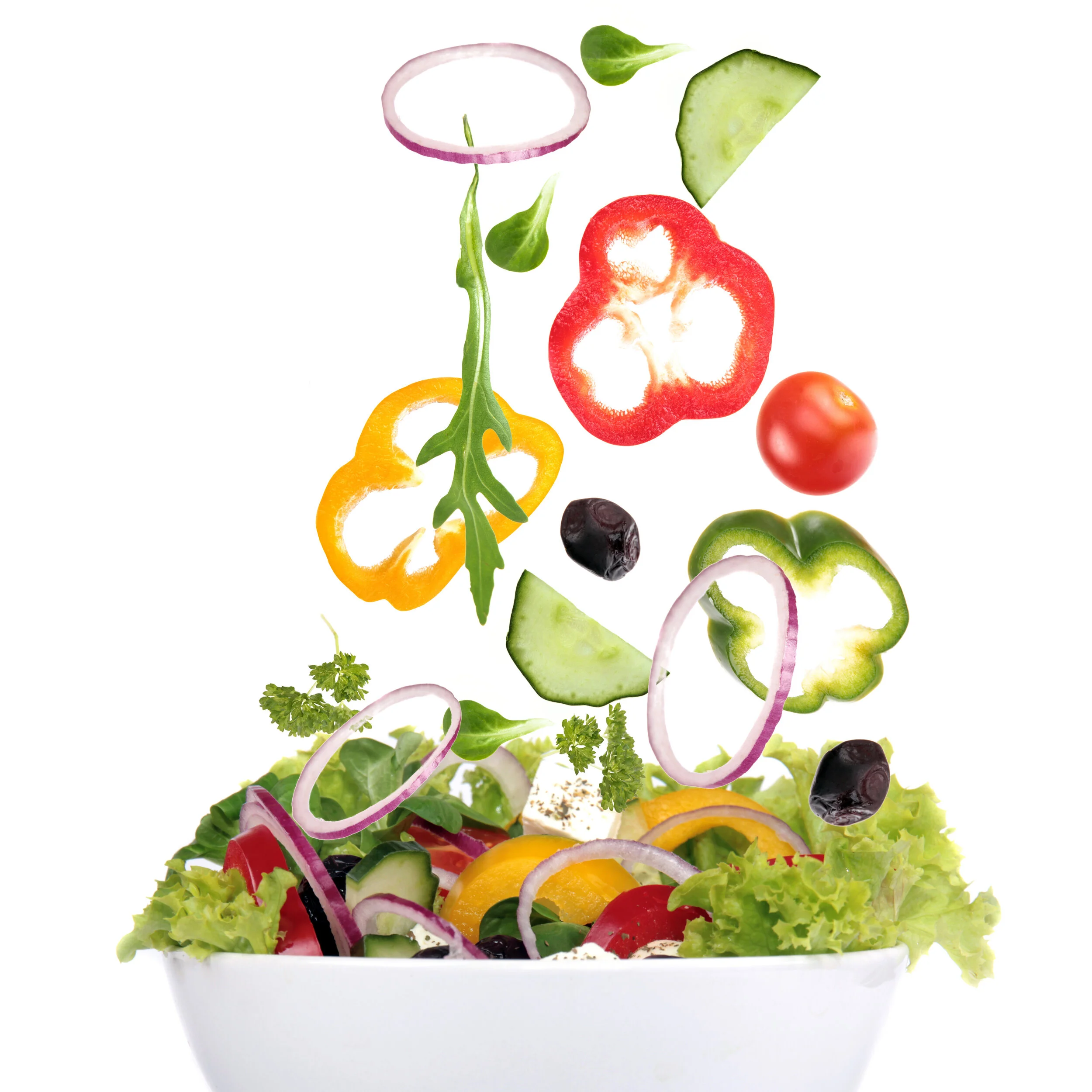
ASK YOURSELF WHAT YOU CAN ADD RATHER THAN TAKE AWAY
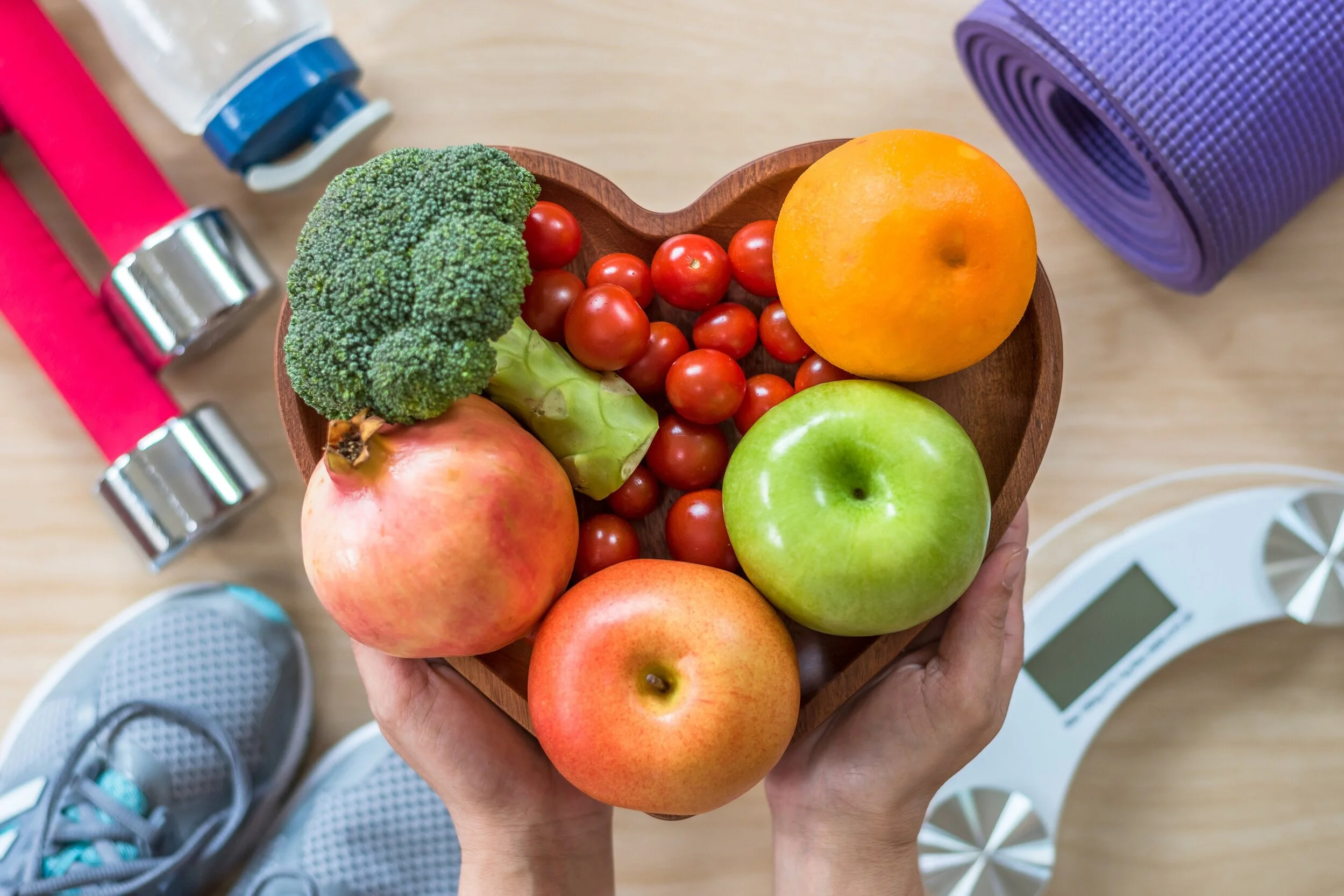
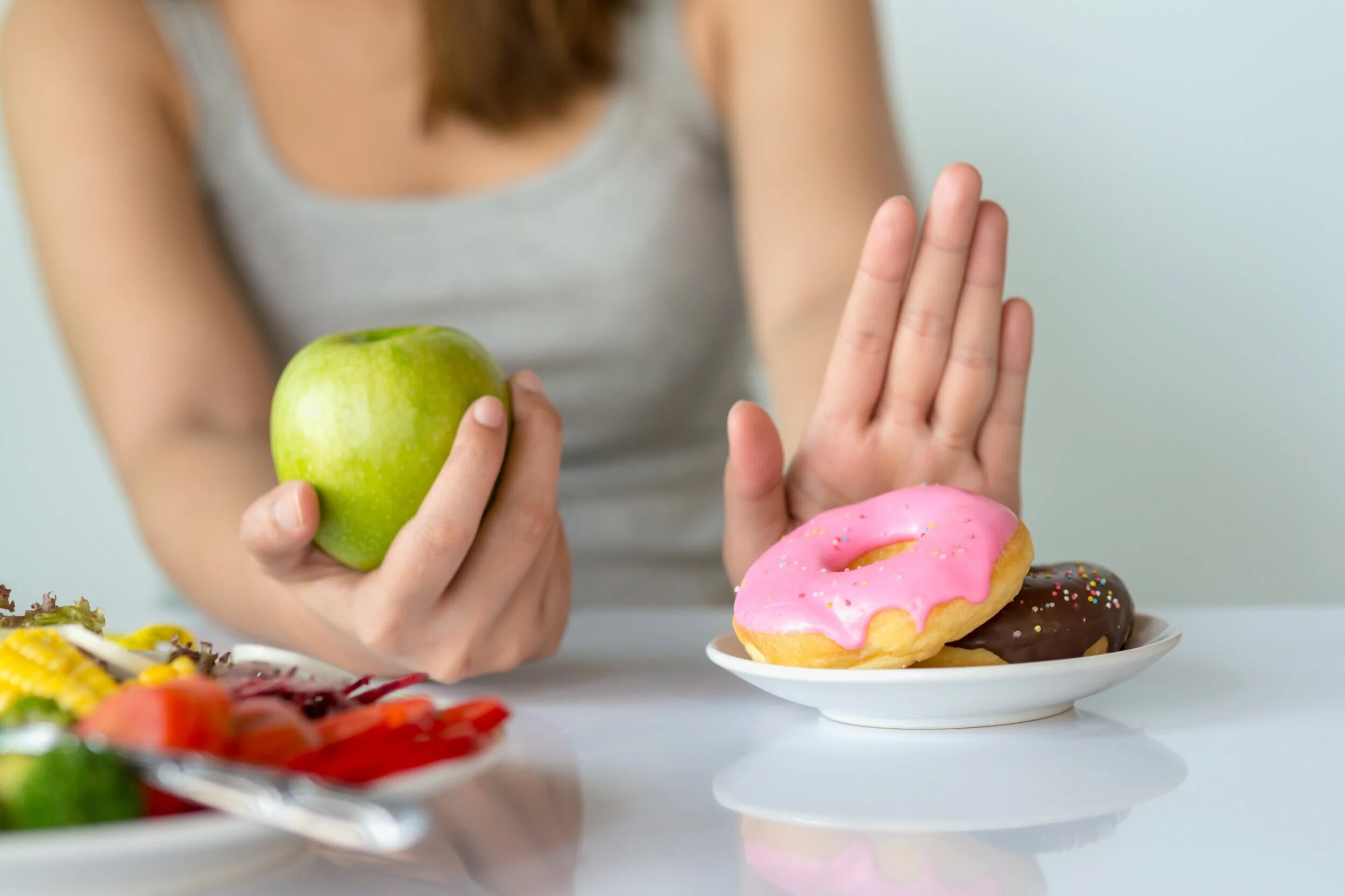
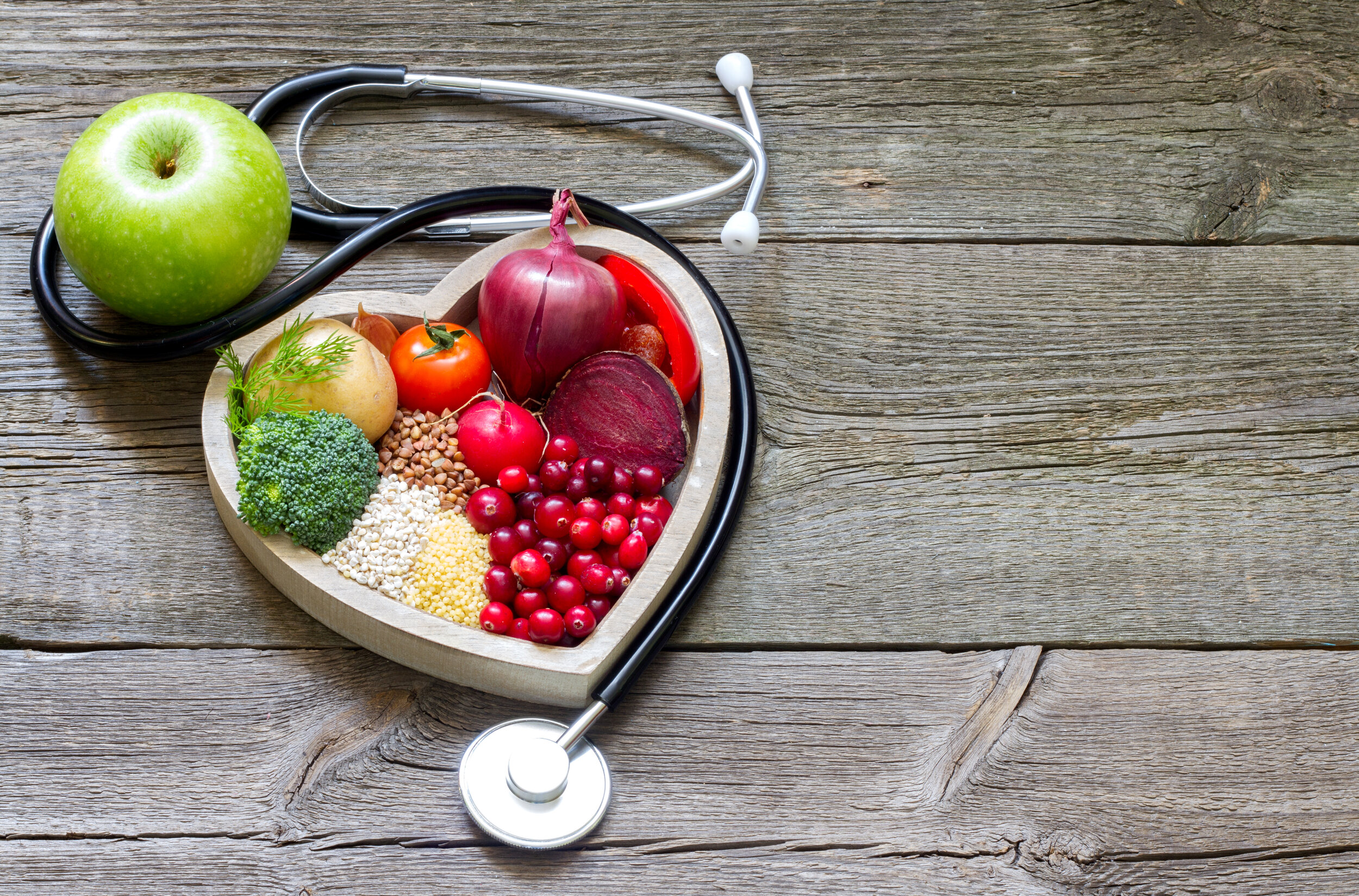
Restriction often leads to resentment so instead, focus on adding in more foods that support you! Can you add an additional serving of vegetables to your dinner? Where can you add leafy greens in your lunch? Can you add more color to each meal to increase the nutrients you're consuming?
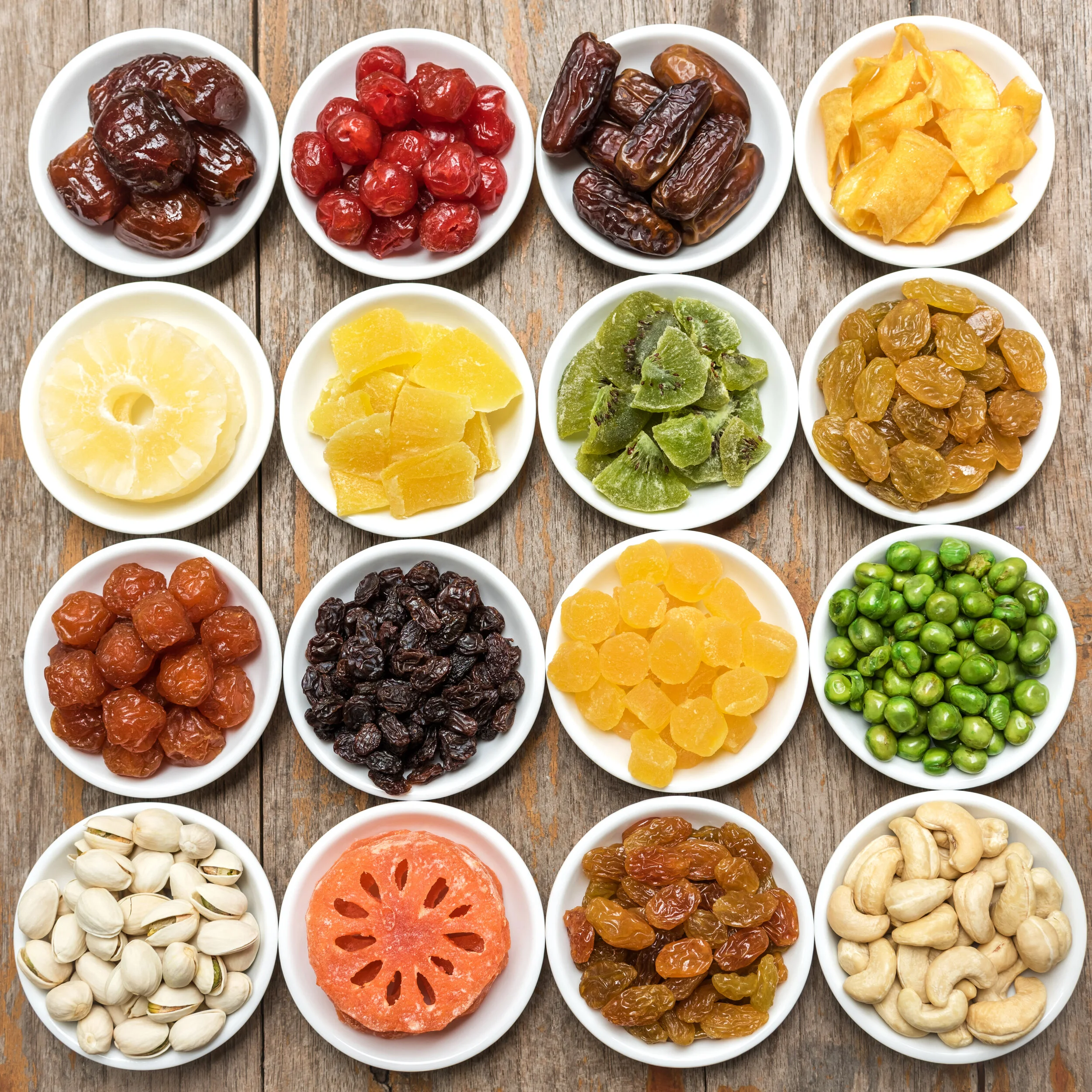
STOCK UP ON SNACKS
Snacking is inevitable, we all love to do it! Craving a little morning or afternoon snack shouldn't be the reason we turn to salty and fatty junk foods. Instead, stock your pantry with healthier snacks you truly enjoy. Choose snacks that boost your nutrient intake. Try some fruit, trail mix, or popcorn!
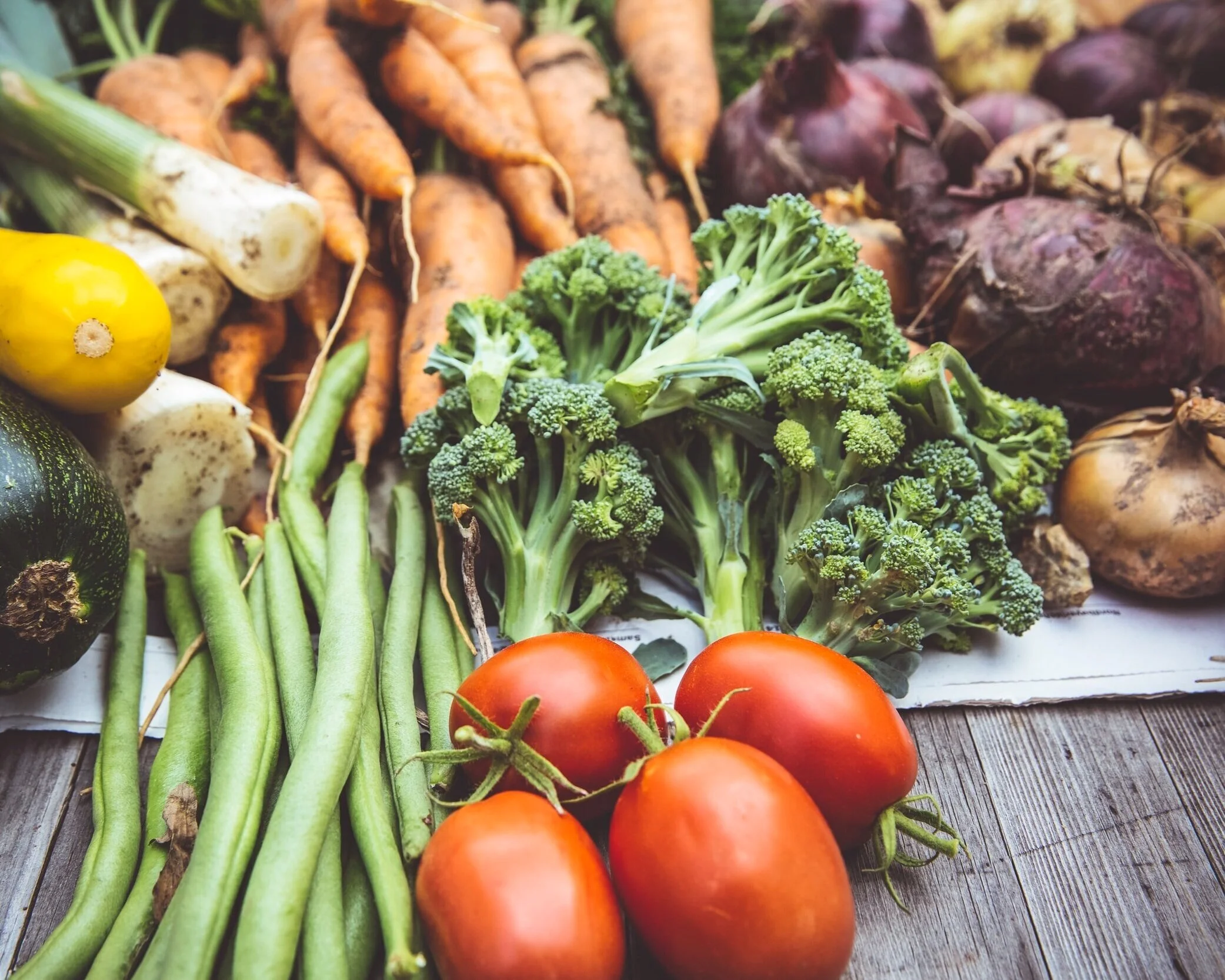
PILE ON THE VEGGIES
Vegetables are rich in fiber, which helps fill you up. Plus, when you're eating more low-calorie vegetables, there's less space for eating less higher-calorie less-healthful foods. Salad greens are easy, but you could also add roasted vegetables like brussels sprouts, broccoli, and more.

STAY HYDRATED
Water wards off dehydration, but it's also incredibly important for your digestion. Plus, if you're drinking water throughout the day, you're less likely to drink other sugary drinks. Not sure how much you need to be drinking? Here's an easy way to calculate how much water to drink.

ADD SOME BUBBLES
Water is good to drink, but it can get boring pretty quickly. Find a few seltzers you love that can change up your usual water-drinking routine. Plus, by choosing flavored seltzer, you can easily replace your sugary sodas and other beverages that are full of empty calories.
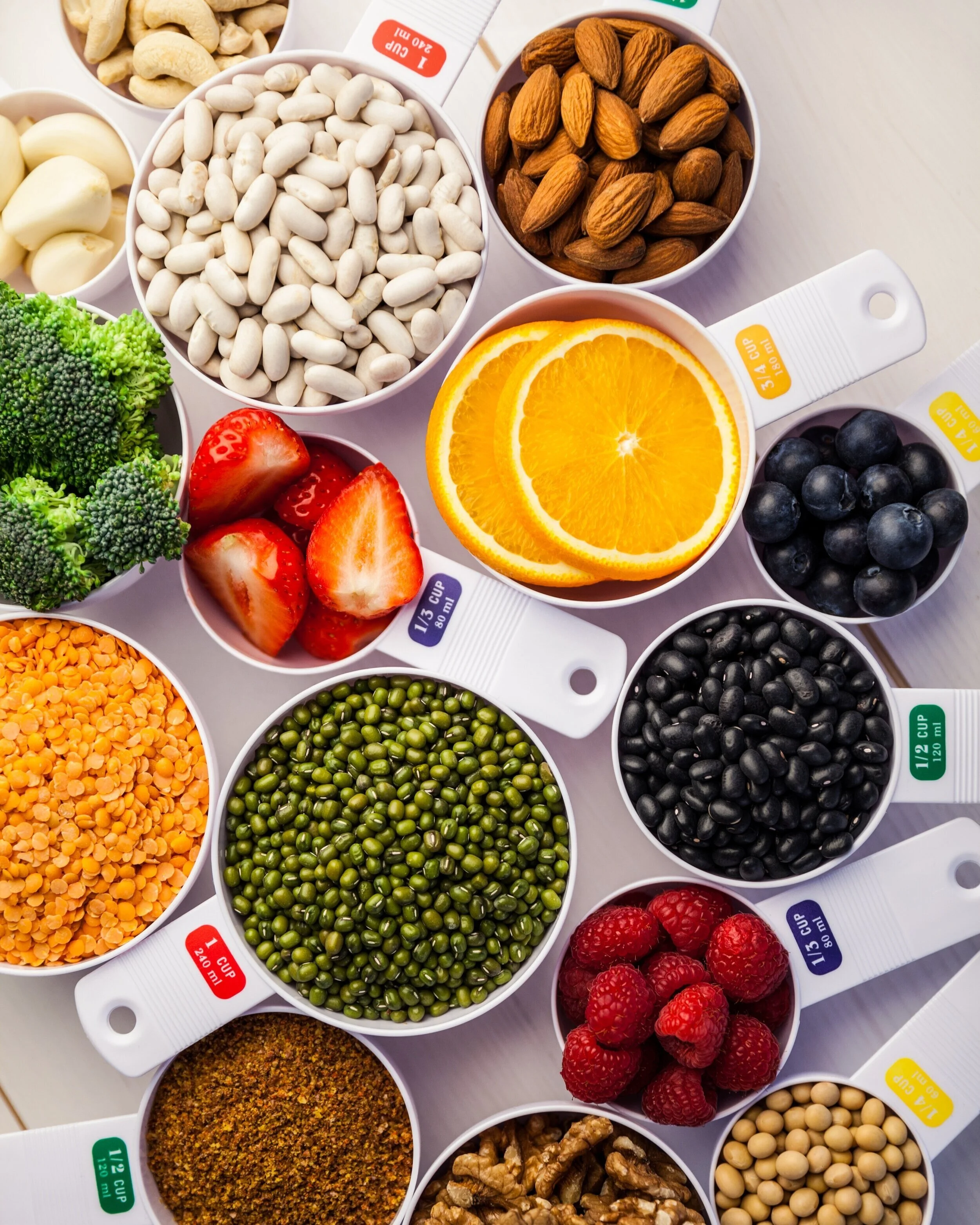
PORTION YOUR FOOD
Portioning out your food doesn't mean restricting your food! It means properly portioning out the right amount of food for each meal. For a normal lunch or dinner plate, it's good to have at least 4 to 5 oz. of protein, 1-2 cups of vegetables, 1/2 cup (or 1 serving) of a complex carb, and a serving of healthy fats. This plate is full and filling, and you won't feel like you're missing out.

CHANGE YOUR MINDSET
You can fill up your grocery cart with fruits and veggies all you want, but another way to ensure you create better healthy eating habits is to change your mindset, especially around certain myths or beliefs that are seriously outdated. For example a lot of us were brought up on the false belief that all fat makes you fat, but that's not the case. Healthy fats such as walnuts, almonds, extra-virgin olive oil, and avocados are incredibly beneficial for our overall health. Inflammatory fats, on the other hand, such as canola oil and other vegetable oils as well as margarine and fried foods can be highly inflammatory. Overall, stick to three main meals a day and focus on anti-inflammatory fats to fuel your body.
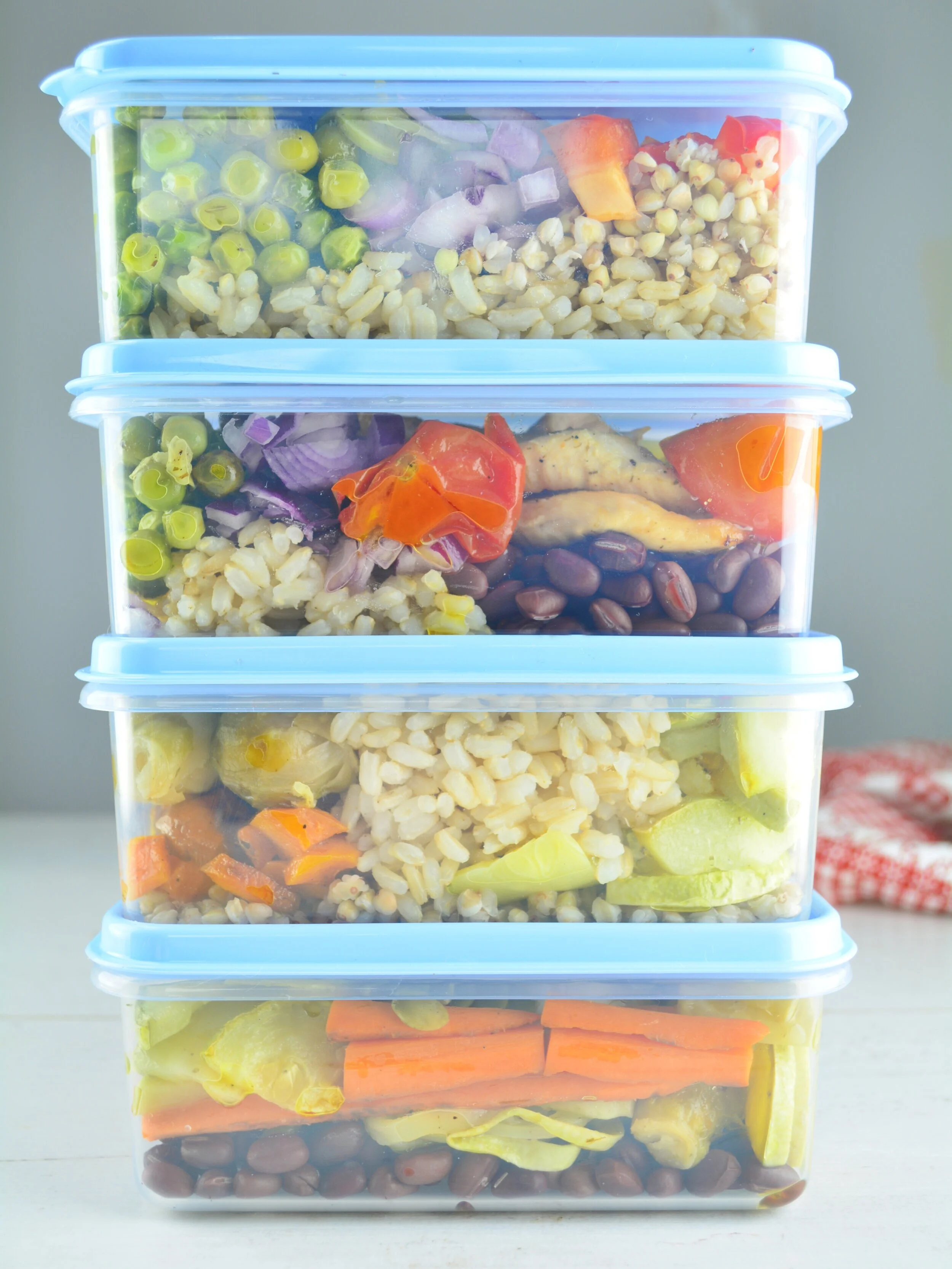
MEAL PREP
This is a good habit to take up, so you have a lot of healthy options ready for you. It's more difficult to eat the salad you planned when you still need to wash and chop the veggies, make the protein, and choose a dressing. It's significantly easier when all the components are ready to be assembled. The same goes for snacks. It's tempting to reach for a bag of chips or pretzels when you don't have anything else prepared. But if you have some cut bell peppers or broccoli and some delicious guacamole ready to go in the fridge, then you're more likely to stay on track.

CHOOSE YOUR "WORTH IT" FOOD
This helps when you're somewhere that you can't really control the menu. Choose a "worth it" food (like your grandma's famous cookies, or macaroni and cheese), and balance it out by choosing whole foods, prioritizing fiber, and getting lean protein.

FOLLOW THESE STEPS WHEN EATING OUT
Like your "worth it" food, there are ways to strategize when you're eating at restaurants so you'll still be able to enjoy your meal. Take some time to look at the menu ahead of time and decide what you're going to order. Choose a restaurant that has plenty of options, and let your family and friends know about your pledge to eat healthier so that they can provide you support and accountability.

FEED YOUR WHOLE BODY, NOT JUST YOUR BELLY
Think of how your food choices will affect your whole body since you need a spectrum of nutrients and vitamins to feed your body on a cellular level. And don't get too caught up on calories. Foods have so much more to them than calories, and yet many people think caloric intake is the bottom line. The number of calories a food has is merely information, and as with any other kind of information, less isn't necessarily better, just as more isn't necessarily bad. For example, a 100-calorie snack pack is not equal to 100 calories of an avocado.
There is no magic end at the end of a tunnel where you say, “I made it. I am now healthy and happy.” Nope. The trick is enjoying the journey!