
What is your work style?
It’s pretty obvious that we all function differently. What works for you, may not work for your colleague.
This is a big deal because the way in which we think, learn, communicate, process information, execute actions and make decisions all very much influences our personal work style.
Productivity Coach and Consultant Carson Tate created a widely recognized Work Style Assessment because she believes knowing your work style will allow you to manage your work and personal life more effectively.
Take the assessment quiz on the link below to help you correctly diagnose your work style and productivity personality so you can get on with a more productive life ASAP. After you enter some basic information (name, e-mail), it will only take a few minutes to complete. You will receive an e-mail once you’ve completed the assessment.
Click Here - What's your productivity personality?
Your assessment results will put you into one of four types of productivity personalities below.
The Prioritizer

A Prioritizer is that person who will defer to logical, analytical, fact-based, critical, and realistic thinking. They tend to use time effectively and efficiently, focusing on the highest-value task and on achieving project outcomes. This person likes to know how long a task will take beforehand, so they can plan their work days more efficiently.
They have never met a goal they did not like and apply a laser-like focus to ensure they accomplish their goals. They are so focused on execution that they don’t often spend much time or energy on how it is completed. Their emails are often only a few sentences, or if possible, just a few letters.
Prioritizers have a communication style in which they ask “what” questions such as “What does X do?” or “What are the problems?” and “What are the results?” The best way to answer these “what” questions is with concise, precise facts.
Strengths: Decisive, consistent, goal-driven, logical, analytical
Likes: Critical analysis, fact-based thinking, efficiency, problem-solving
Dislikes: Mismanaging time, inaccurate or incomplete data, vague instructions, small talk
Communication Style: Prioritizers often use facts to illustrate points, speak in a matter of fact tone of voice, and frequently use technical jargon, acronyms, and buzz words. They speak clearly and logically and will ask direct questions about the value and function of products. For example, a Prioritizer might say, “Give me the bottom line. How well does this product work?” Or they might say, “I only want to hear the most relevant data.”
Decision-making style: First, a Prioritizer gathers all the facts, then analyzes problems and develops a plan. They argue rationally and logically solve issues. And of course, they want to see the data.
Environment: The Prioritizer’s work space usually has a professional look and feel. Everything is clean and orderly, and there’s little to no decor in their offices.
Favorite productivity tools: Time tracking tools, to-do lists
Famous Prioritizers: Aristotle, Sir Isaac Newton
The Planner
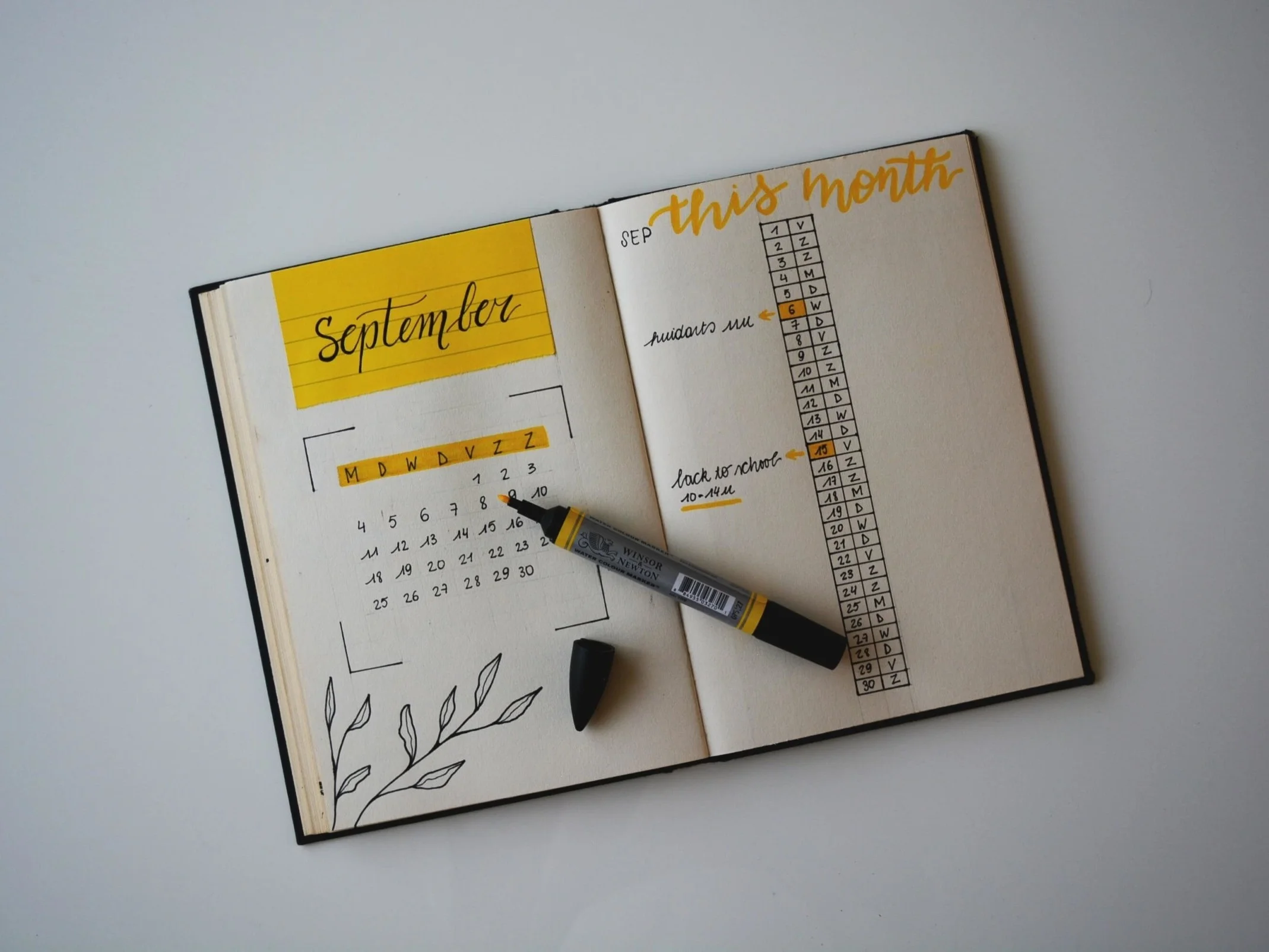
The Planner is the team member who thrives on organized, sequential, planned, and detailed thinking. Though at first glance they may appear as a Prioritizer, the Planner will immerse themselves in the details of a project, while the Prioritizer focuses on only the details that help them complete the project quickly and accurately.
They are not known for their spontaneity, and in fact they have missed opportunities due to their resistance to deviate from plans. They have been known to write something on their to-do list that has already been completed, just so they can cross it off. They thrive on schedules and action plans, and are known for their timely follow-ups. They want you to get to the point; they’ll read the fine print later. They hate attending a meeting without an agenda. Their emails are detailed, often including bullet points and clearly stated next-action steps.
Planners have a communication style in which they ask “how” questions such as “How frequently does X occur?” and “How do you want to approach this project?”
Strengths: Organized, detailed, action oriented, planning, anticipating problems, project management
Likes: Scheduling and organizing, developing detailed processes and plans, maintaining data, on-time appointments, getting to the point
Dislikes: Last-minute work, lack of agenda, disorganization, topic-hopping, typos and repetitive errors
Communication Style: A Planner’s pattern of speech is characterized by the use of precise, detailed words. Planners speak in complete sentences or paragraphs and frequently expresses skepticism and concern for quality, asking precise questions that require concrete answers. You can expect to hear Planners say things like “I believe in using proven products that have passed the test of time,” or “I’m a creature of habit, and I don’t easily change how I do things.” Planners prefer to have information presented in a concise, consistent, detailed, and step-by-step format—and he or she expects it to be delivered on time, in writing, and with ample references. Planners also prefer detailed action plans (including contingency plans) and expect to follow those plans precisely, with few deviations
Decision-making style: The Planner is practical and approaches decision-making in this sense. They often find overlooked flaws by reading the details others skip over. Once a Planner has made their decision, they won’t budge on it.
Environment: The Planner’s work space, like their decision-making style, is very practical. It usually has a traditional look and feel, with no unnecessary items. You’ll also likely find professional credentials and awards plastered around their office.
Favorite productivity tools: Calendars, planners, to-do lists
Famous Prioritizers: Philosopher Plato, FBI director J. Edgar Hoover, British politician Margaret Thatcher
The Arranger

An Arranger prefers supportive, expressive, and emotional thinking. They are the ultimate team player and excel at partnering with colleagues to get work done. They are a natural communicator and deftly facilitate project meetings. They hate when people lack that personal touch or rely too heavily on data or facts. This is the colleague who always makes you feel better and encourages you to finish your work.
Arrangers are talkers; they have been known to need to institute a personal chat budget, only allowing a few minutes of chit chat during work hours, and have to avoid adding one more person to the cc: line on their email messages.
Arrangers have a communication style in which they ask “who” questions such as “Who will benefit the most from this project?” and “Who else is involved?”
Strengths: Supportive, persuasive, expressive, empathetic, intuitive, understanding, processing feelings and emotions
Likes: Stories, conversations, asking questions and addressing concerns, acknowledgement and appreciation, communication, collaboration, teaching
Dislikes: When people rely too much on data and facts, when people are cold or too serious, lack of personal interaction, urgent tone, demanding nature
Communication Style: The typical Arranger tends to be talkative, often using stories about people to illustrate points and speaking with warmth about personal issues. An Arranger expresses concern about people and will frequently ask questions about the way a particular project or task will benefit others. An Arranger prefers to have information presented through an open, informal discussion. Arrangers prefer eye-to-eye contact; they generally listen actively and appear devoid of hidden agendas, using expressive body language and tone of voice to engage and connect with others.
Decision-making style: The Arranger makes decisions by intuitively sensing how others will feel. They recognize interpersonal difficulties and pick up on non-verbal stress signals.
Environment: Their environment is usually welcoming and inviting. There’s often personal photos, and you can get a sense of who they are by just floating by their space, from their personal objects and pictures that surround their desk.
Favorite productivity tools: Focus-enhancing tools, visually appealing office supplies, collaboration tools, rooms or areas that promote collaboration
Famous Prioritizers: Composer Chopin, non-violence advocate Mohandas K. Gandhi, humanitarian Mother Teresa, media mogul Oprah Winfrey, musician and activist Bono
The Visualizer

A Visualizer prefers holistic, intuitive, integrating, and synthesizing thinking. They thrive under pressure and are easily bored if they are not juggling multiple, diverse projects. A Visualizer focuses on the big picture and broad concepts making connections.
At times, they have a tendency to overlook details and tend to value the possibilities over process. Their excessive spontaneity and impulsiveness can lead to breakthrough ideas, but can also derail project plans at times.
A Visualizer has probably not seen the surface of their desk in years because if something is out of sight, it is out of mind. And, their emails tend to be long, filled with concepts and ideas.
Visualizers have a communication style in which they ask “why” questions such as “Why is this process better?” and “Why do we do things this way?”
Strengths: Ability to see the big picture, willingness to challenge the status quo, connecting the dots, strategic thinking, open-mindedness
Likes: Broad frameworks, connecting the dots among approaches, innovative ideas, creative problem-solving
Dislikes: Details, cookie cutter approach, inability to make changes
Communication Style: A Visualizer uses visual language when speaking—words and phrases like see, look, envision, imagine, and the big picture. They typically speak in abstract phrases and frequently use metaphors. They also tend to ask general, broad based questions about concepts and innovative aspects of a particular task or project. A Visualizer prefers to have information presented using metaphors or visual aids that place specific details within a big-picture overview or conceptual framework, often aligned to the organization’s long term strategy. Visualizers value the flexibility to move away from a planned agenda in search of new, fun, and imaginative approaches
Decision-making style: Visualizers make decisions by generating their own solutions to problems. They’re very perceptive and know when things are about to change, leading them to challenge established and outdated policies or systems.
Environment: Their space is typically laid back and original, with an emphasis on space and light. They also prefer colorful, varied and decorative schemes that are visually appealing.
Favorite productivity tools: Sticky notes; colored pens and paper
Famous Prioritizers: Scientist Albert Einstein, artists Pablo Picasso and Leonardo da Vinci, entrepreneurs Steve Jobs, Richard Branson, and Larry Page