Pillars of Mental Health: Nutrition
When we think about nutrition, it is easy to jump to fad diets, “weight management,” and other habits that revolve around eating. However, this way of thinking is just not correct. Nutrition not only involves what you eat, but also practicing healthy, wholesome habits along with it. Studies have shown that routinely understanding and being mindful of nutrition affects your mental health just as equally as your physical health. You know what they say, you are what you eat!
When working at our desks all day, it is easy to forget to eat, or to order something that may not be quick to satisfy your hunger but not enough to sustain what your body needs to be energized and attentive. Our body runs on the fuel that we put into it, so ensuring that not only what you eat but how much you eat can change the way you feel and operate throughout your day. We took some time to speak with our DEI’s Health and Wellness ERG to find out more ways we can manage our nutrition and the efforts that go behind it!

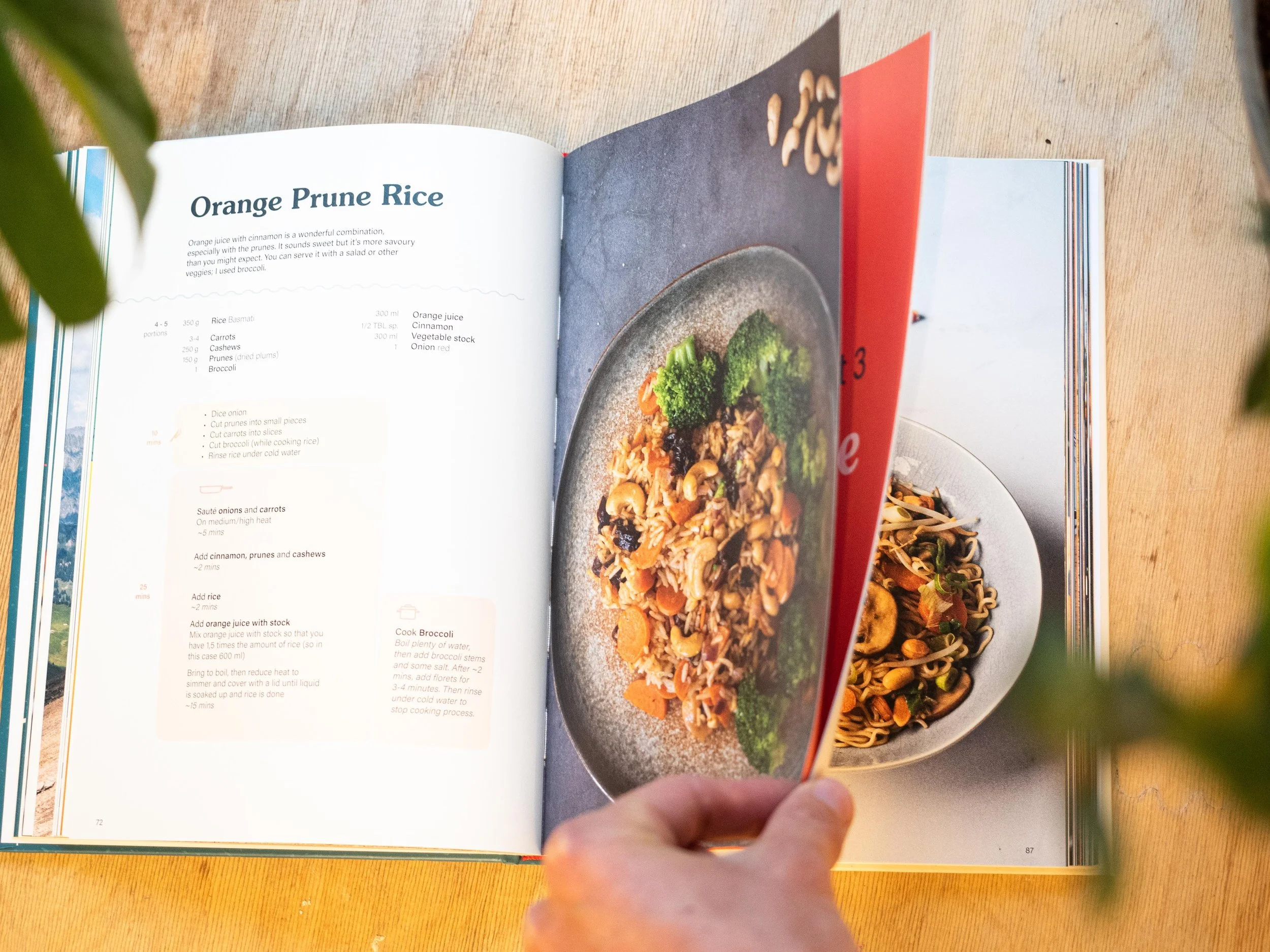
1. MEAL PREP AND COOK AT HOME The benefits to cooking at home may not be immediate, but it definitely pays off at the end. When you cook, you know exactly what is going into your food, and you can control the ingredients and amounts you use as well. If there are types of food that your body is sensitive to, it is easy to substitute with items that are better for your specific diet. Meal prepping is a great way to ensure that you are eating lunch at work, and that what you are putting into your body is good for you as well. It also is proven to save you money! Share recipes with friends and ask for them to share back with you. You can make so many easy meals on a budget and that your body will thank you later for!

2. CREATE A FOOD JOURNAL If you are anything like me, I can’t remember what happened during my day even yesterday. How does anyone expect us to create healthy eating habits when we are too busy to remember what our current habits are? An easy way to do this is by creating a food journal! No counting calories, just tracking what you eat. This can be so beneficial when it comes to figuring out if you need to eat at certain times of the day, or when you need to prep your meals beforehand. If you are experiencing food sensitivities as well, you can detect what might be causing issues quicker this way too.
3. MAKE SURE YOU ARE EATING ENOUGH - As Americans, we often hear “low calorie” and “portion control” coming out of health professionals’ mouths. However, it is equally (if not more) important for us to eat enough. With turn coming up, and with it being such a busy time of year for our industry, we can get very deeply involved with our day-to-day tasks that we forget to grab a bite to eat. I know so many of us also skip breakfast in efforts to make it to work on time, or don’t prioritize leaving the office early enough for dinner. Making sure that your body and mind alike have the energy and ability to do your job is just as important as making sure you aren’t overdoing it, too. Meal prepping, food journaling, and taking routine lunch breaks with your teams can go a long way in this.
All in all, while beginning a journey with nutritional health can seem daunting, it truly can be very easy when we just try what speaks to us and our habits. Let’s all try and take the rest of this month, and month’s going forward, to work this self-care into our routines!